An older house can send a seller straight into renovation mode. Before choosing flooring or pricing a new kitchen, ask a more useful question: what are buyers likely to want from this property?
On some Dallas streets, the answer centers on the land. A vacant lot may be ready for its next chapter, while an existing house may attract buyers planning to replace it. Selling either one calls for a clear explanation of the site, a price supported by the market, and a plan for reaching the people who can use it.
Work out where the value is
Begin with what has actually sold nearby. Look for vacant parcels, land-value sales, and older houses purchased for redevelopment. Consider their size, frontage, shape, location, and sale conditions. A finished new home can help explain the neighborhood’s market, but its price includes a completed building and the work that produced it.
Appraisal district records are useful background, particularly when reviewing the land and improvements separately. They are one input in the pricing conversation. Build the asking-price strategy around relevant transactions and the specific property, with your broker’s help, rather than adopting a tax appraisal as the listing price.
Give buyers a useful property file
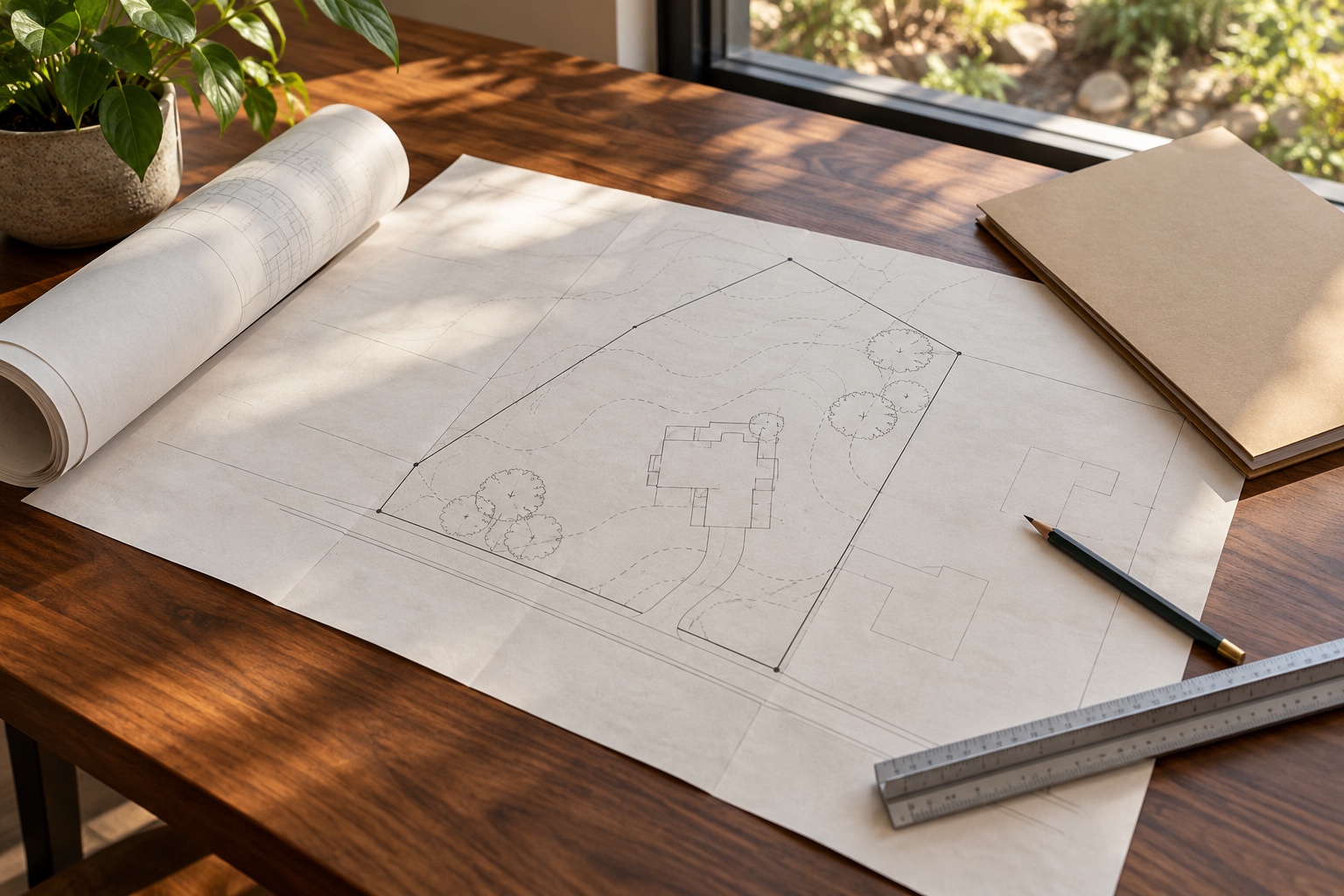
A buyer should be able to find the basic site information without a scavenger hunt. Gather the available survey, title information, recorded restrictions and easements, utility information, and any relevant plans or reports. Confirm the source of lot dimensions and area; if records disagree or a survey is old, identify what still needs checking.
Zoning, setbacks, access, trees, drainage, and floodplain conditions can affect a buyer’s plans. Utilities at an existing house also need to be evaluated for the proposed project. Keep confirmed information separate from assumptions, and have property-specific questions checked by the appropriate professionals and City departments.
Show the opportunity clearly
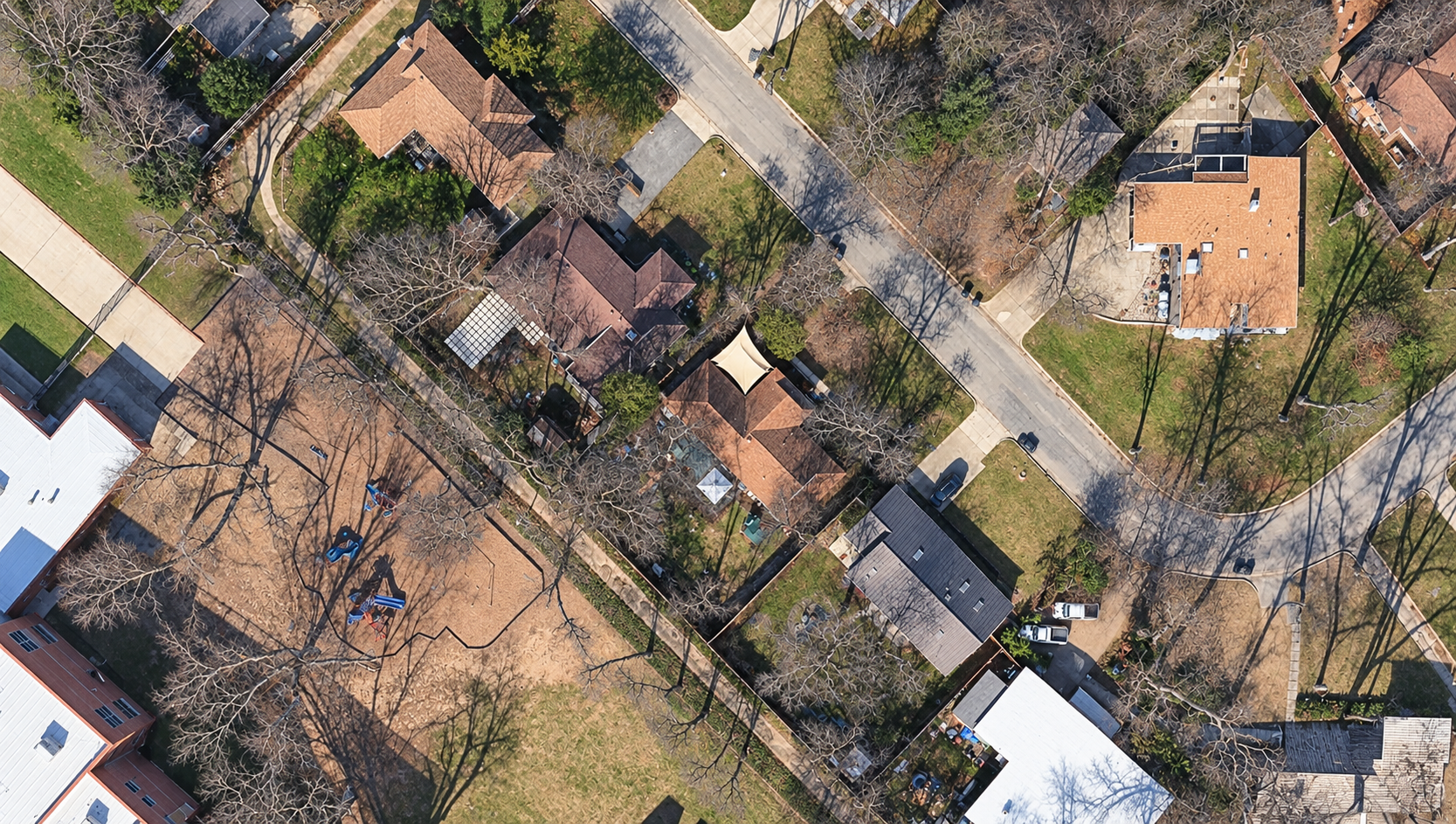
Photographs should explain the land: its setting, street frontage, relationship to neighboring properties, and existing improvements. Aerial views can help establish context. Pair them with accurate ground-level images and a clear description of what is being offered; avoid presenting a possible future home as an approved project.
For a local example, 1727 Whittier Avenue in Forest Hills is offered for land value, with the existing house and garage conveying as-is. That framing tells buyers what the seller is offering while leaving them to verify the site’s suitability for their plans.
Reach more than one kind of buyer
A builder evaluating a project and someone planning a custom home may be interested in the same parcel for different reasons. The builder will weigh acquisition, site work, construction, carrying costs, and the eventual resale. A future homeowner may put more emphasis on the location and how a home could fit their needs.
Give both audiences useful information. Make the site details easy to review, allow appropriate access, and explain any existing house honestly. Where continued occupancy or renovation remains a realistic option, discuss that possibility with your broker before narrowing the marketing to demolition alone.
Spend carefully before you list
Decide which expenses help the sale you are pursuing. Safe access, basic cleanup, and clear documentation deserve consideration before cosmetic upgrades to a house that prospective buyers may remove. Ask what each proposed improvement is expected to accomplish and whether it fits the likely buyer.
Demolishing before a sale is a separate decision, with its own cost, permitting, and timing questions. Review those issues before committing to the work. In Dallas, historic or conservation rules and tree requirements can add considerations; describing a property as a teardown does not establish permission to demolish or build.
Look beyond the offer price
When offers arrive, compare the proposed closing date, financing, inspection and feasibility provisions, and any approvals or other conditions the buyer needs. Discuss how responsibility for the existing improvements will be handled. Review the applicable disclosures and contract terms with your broker or attorney.
A thoughtful land-value sale gives buyers a sound basis for a decision. Establish the facts, explain the opportunity, and price it with relevant market evidence. That preparation gives the seller a clearer way to evaluate the offers that follow.