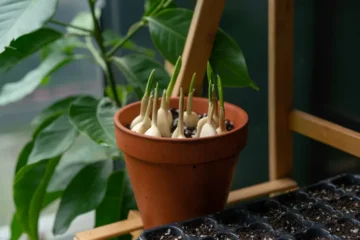
You do not need a backyard to grow something worth bringing into the kitchen. For a city condo dweller, one handsome pot of thyme can turn a balcony, terrace or sunny windowsill into a small edible garden with a very useful point of view.
I love the idea of walking outside while I am cooking, clipping exactly what I need and returning to the stove with an herb that was alive moments earlier. It is a small luxury, but it changes the feeling of a meal. The thyme in French onion soup, roast chicken, vegetables or a pan sauce tastes fresher, and the cook feels a little more connected to what lands on the plate.
That is the spirit behind Patio Garden, a new Dallas Registry series for those of us who live vertically, think carefully about every square foot and still want something green, fragrant and edible within reach.
Why Thyme Belongs on a City Patio
Thyme is particularly well suited to container life. It is a hardy, drought-tolerant Mediterranean herb with woody stems and a low-growing habit. Its flavor can read as earthy, minty, floral, lemony and peppery, sometimes all at once. Even better, regular harvesting encourages new growth and helps keep the plant from becoming overly woody.
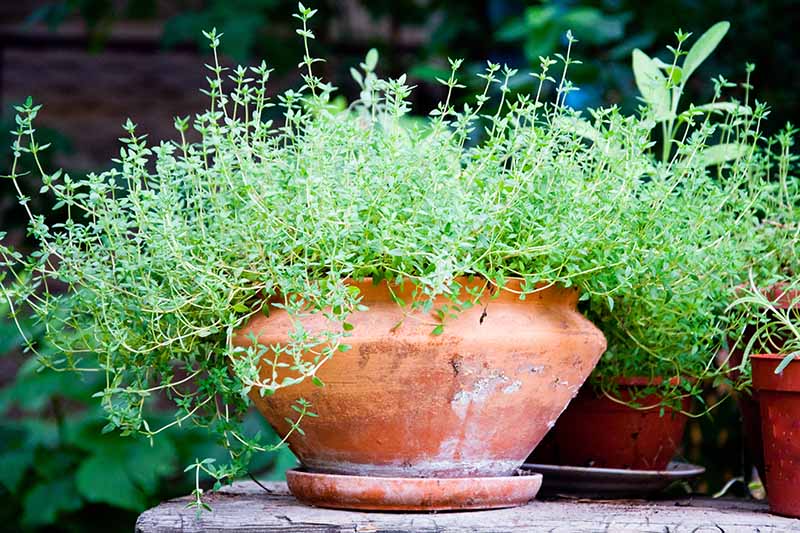
A terra-cotta pot is especially charming, and it suits thyme’s preference for drainage. On a condo balcony, the greater concerns are often reflected heat, wind and how quickly containers can dry. Pay attention to the plant rather than a rigid schedule. The goal is healthy growth you can harvest repeatedly, not a decorative pot you are afraid to touch.
Before You Cut
Begin by looking at the whole plant. A well-established thyme plant that is more than a few inches across and not recently transplanted can usually spare a few sprigs during the growing season. If the leaves are wilted or yellowing, or if you see insect damage, address the problem before harvesting.
Clean herb shears or pruning shears before making a cut. An alcohol wipe works well, as does warm water and soap. Clean tools help prevent disease from traveling from one plant to another. If you are pinching off a tender sprig with your fingers, wash your hands first.
For Tonight’s Dinner
For a single recipe, harvest lightly. Choose fresh green growth and cut just above a bud or leaf node, working around the plant rather than stripping one side bare. Tender, pliable stems can be taken lower, while older woody stems should be clipped above a node.
This kind of light, regular harvest does more than supply dinner. It encourages the plant to branch, stay full and produce new growth. In other words, using your thyme is part of caring for it.
For a Larger Harvest
When you want enough thyme to dry or preserve, use clean, sharp shears and begin with the largest, most mature stems. Remove the upper third of the plant, cutting just above leaf nodes as you work evenly around the pot. A more established plant may tolerate a cut approaching one-half, but restraint matters. Always leave at least half of the plant intact so it has enough foliage and energy to recover.
Larger harvests should be occasional, perhaps two or three times a year. For the strongest flavor, harvest before the plant flowers. The tiny flowers are edible, but the leaves are generally at their most aromatic just before blooming begins.
How to Keep Fresh Thyme Fresh
If you are not using the sprigs immediately, wrap them gently between damp paper towels and place them in a sealed bag or airtight container in the refrigerator. Another option is to stand the cut ends in a small glass of water, loosely cover the top with a plastic bag and refrigerate it like a miniature bouquet.
Check the thyme regularly and plan to use it within about a week for the best quality, although carefully stored sprigs may last longer.
Drying Thyme for Later
Bundle harvested stems with a rubber band or twist tie, attach a length of string and hang them somewhere out of direct sun with good airflow. A covered patio can work beautifully in dry weather. Indoors is the wiser choice when Dallas decides to become humid or rainy.
Once the thyme is completely dry, transfer it to a sealed container. Leave the leaves as intact as possible and crush them just before cooking. That helps preserve their fragrance and flavor.
A Small Pot With a Generous Return
A patio garden does not need to imitate a country garden in miniature. It only needs to make sense for the way you live. Start with one herb you actually cook with. Put it in a beautiful pot. Learn what it looks like when it is thirsty, thriving or ready to be trimmed. Then use it.
That little ritual, stepping outside, clipping a few stems and seasoning dinner with something you grew, is exactly the sort of everyday pleasure that makes city living feel more personal.