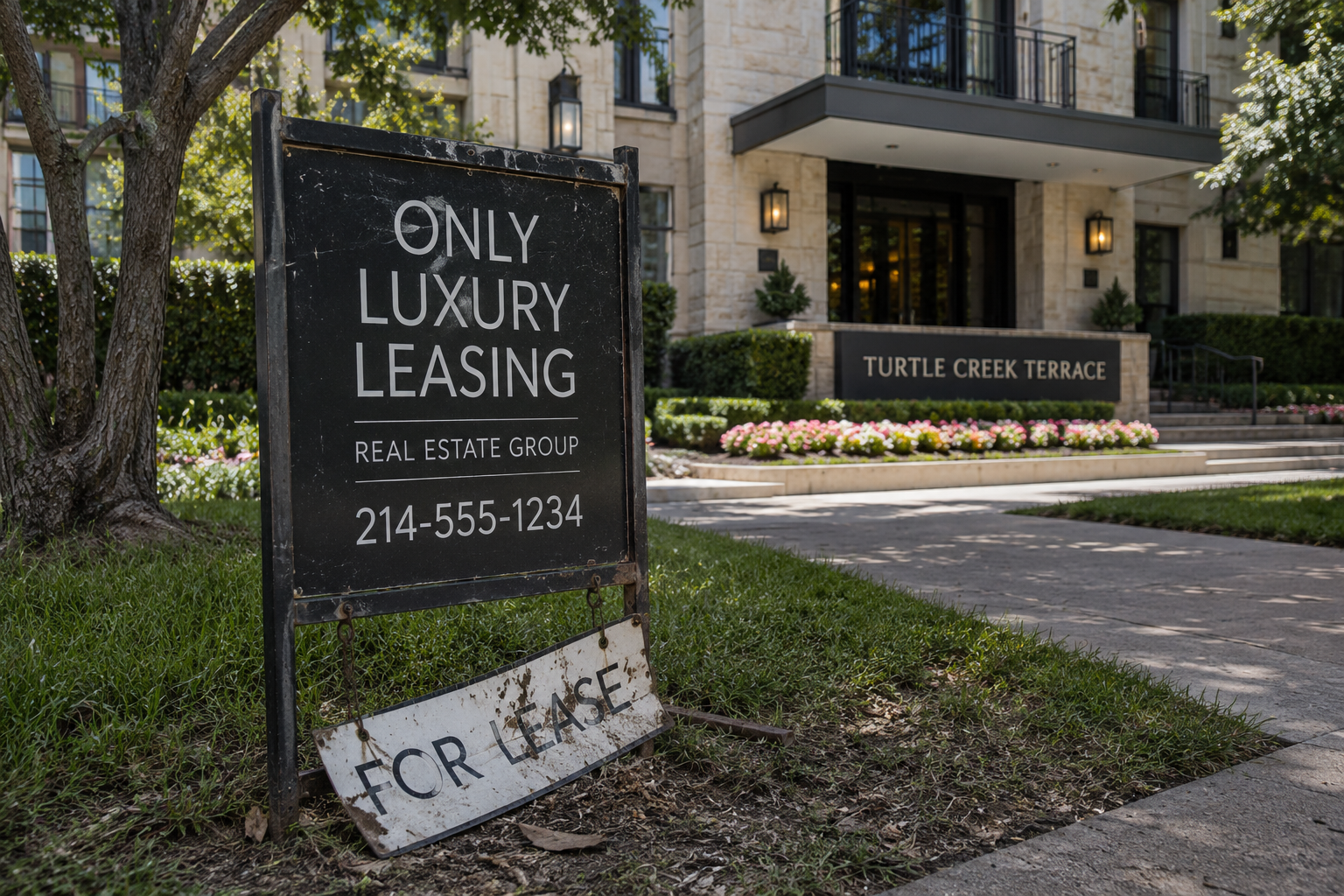
Dallas has never been a one-size-fits-all rental market. A lease in a professionally managed Uptown tower does not operate exactly like one for a duplex in Oak Cliff, a condominium in Oak Lawn or a privately owned house near White Rock Lake. Yet renters often make major decisions based on advice handed down by a friend, a former roommate or somebody’s uncle who owned an apartment building in 1997.
Some of that advice is harmless. Some of it can cost real money. Here are eight persistent renting myths, reconsidered for Dallas and, where the rules matter, for Texas.
Myth 1: Imperfect credit automatically ends the conversation
Credit matters, but it is rarely the only part of a rental application. Property owners and management companies may also evaluate verified income, rental history, background screening, outstanding landlord debt and the strength of the complete application.
Requirements vary widely. A large apartment community may use fixed screening standards, while an individual owner may review more context. A qualified guarantor, stronger documentation or an honest explanation of an isolated credit problem can sometimes help, although nobody is obligated to make an exception.
The useful question is not, “Is my score bad?” It is, “What does this particular property require, and can I document that I will be a reliable tenant?”
Myth 2: The longer you stay, the more of your deposit you lose
A five-year tenancy naturally leaves more evidence of daily life than a twelve-month lease, but normal wear and tear is not the same thing as damage.
Texas law generally requires a landlord to return the security deposit, minus lawful deductions, within 30 days after the tenant surrenders the property. The tenant must provide a written forwarding address. If money is withheld for damage, the landlord generally must provide an itemized description of the deductions.
Protect yourself at both ends of the lease. Photograph every room when you move in, complete the inventory and condition form carefully, report problems in writing and take another complete set of photographs before returning the keys.

Myth 3: A landlord can evict a tenant whenever they feel like it
A disagreement is not the same thing as an eviction. In Texas, removing a tenant generally requires a legal process, including the notice and court procedures that apply to the situation. A landlord cannot simply declare the lease over, change the locks without legal authority and place someone’s belongings at the curb.
Tenants can still face eviction for failing to pay rent, violating the lease or creating other legally recognized grounds. The practical lesson is to take every written notice seriously and to seek qualified help quickly rather than relying on advice from social media.
Myth 4: Every repair is automatically the landlord’s responsibility
Texas landlords have duties involving conditions that materially affect an ordinary tenant’s health or safety. That does not make the owner financially responsible for everything that breaks.
If a guest damages a door, a pet destroys flooring or a tenant causes a plumbing problem through misuse, the lease may place the cost on the tenant. Cosmetic preferences are different from health and safety problems, and maintenance responsibilities can vary among apartments, condominiums and single-family rentals.
Read the repair provisions before signing, not after the air conditioner stops during an August weekend.
Myth 5: If you pay for a repair, you can simply subtract it from the rent
This is one of the most dangerous rental shortcuts. Texas law provides potential remedies for certain qualifying repair problems, but tenants must follow specific notice and procedural requirements. Paying a contractor and reducing the next rent payment without written authorization can create a lease default.
Put repair requests in writing, preserve photographs and receipts, and follow the delivery requirements in the lease and Texas law. For a serious health or safety condition, consult a qualified Texas attorney or tenant-assistance organization before withholding money, terminating a lease or attempting repair-and-deduct.
Myth 6: The advertised rent and lease terms are completely untouchable
Dallas renters may not have much leverage at the most sought-after building on the busiest weekend of the leasing season. Still, price is only one part of the transaction.
Depending on the property and timing, there may be room to discuss lease length, move-in date, parking, storage, pet terms or concessions. Large communities often use pricing software and published specials, while individual owners may care more about stability, timing and the strength of the application.
Compare the effective cost, not just the headline number. A concession, mandatory amenity package, parking charge and pet rent can materially change what the home costs each month.
Myth 7: Texas landlords always owe 24 hours’ notice before entering
That familiar “24-hour rule” is not a blanket Texas statute. According to the Texas State Law Library, state law does not generally prescribe a universal notice period for landlord entry. The lease may define when the landlord, maintenance staff or prospective buyers can enter, and emergencies or necessary repairs can create different circumstances.
Texas tenants also have a right to quiet enjoyment. Repeated, unnecessary or unreasonable entry may raise a different issue. The safest approach for everyone is to read the access clause carefully and communicate clearly in writing.
Myth 8: Renting is always throwing money away
Buying can build equity. It can also require a down payment, closing costs, repairs, taxes, insurance and a willingness to remain in one place long enough for the numbers to make sense.
Renting can be rational for someone testing a neighborhood, relocating for work, rebuilding savings, avoiding maintenance responsibility or preserving flexibility. In Dallas, renting may allow someone to live near the Arts District, Katy Trail, Bishop Arts or Lower Greenville before deciding where a longer-term purchase belongs.
Housing is not a morality test. The better choice is the one that fits the household’s finances, plans and appetite for responsibility.

The Dallas takeaway
A rental decision should begin with the actual lease, the actual property and the actual Texas rules, not a generalization that has been repeated so often it sounds like law.
Before signing, understand the screening criteria, total monthly cost, maintenance obligations, entry provisions, renewal terms and move-out requirements. A careful hour before move-in can prevent an expensive month at move-out.
This article provides general information and is not legal advice. Rental laws and individual lease terms vary. For legal guidance, consult a qualified Texas attorney.